I bought boat insurance in Florida because boating here brings real joy and real risk. In my case, I wanted strong coverage for storms, theft, liability, and the unexpected problems that can happen on busy waters. After comparing several options, I chose Chubb because it looked more premium and more detailed than many standard boat policies. However, I also wanted to see if the higher price made sense in everyday use. Overall, my review of Chubb boat insurance in Florida comes from my personal experience as a boat owner who wanted peace of mind without confusion. If you just want a quote, check out https://floridainsurancequotes.net/partners/unveiling-the-best-chubb-insurance-quotes-in-florida/ for a quote from Chubb and other recommended offerings.
Why I Chose Chubb for My Florida Boat Coverage
I chose Chubb because Florida boating comes with special risks. For example, hurricanes, tropical storms, saltwater, and crowded marinas all raise concerns. Also, I wanted an insurer that understood higher-value boats and coastal use. Chubb seemed to focus on quality coverage rather than only the lowest price. As a result, I felt more confident looking at their policy.
At first, I checked other boat insurance companies in Florida. Some companies offered lower premiums, but they also gave me less detail about coverage. However, Chubb explained further details on navigation limits, storm plans, and physical damage protection. I liked that because I did not want surprises after a loss. Also, I wanted a company with a strong reputation for claims.
For me, brand trust played a big role. Chubb has a long history in insurance, and that mattered when I compared options. In Florida, I know a serious claim can become expensive very fast. So, I preferred a company that seemed financially stable and experienced. Ultimately, I chose Chubb because I wanted stronger protection, not just a low monthly bill.
Getting a Quote and Setting Up My Policy
Getting a quote from Chubb felt more detailed than getting a quick online estimate. First, I had to provide information about my boat, its value, storage location, and intended use. Then, I answered questions about boating experience and safety equipment. Although the process took some time, it helped me understand what Chubb needed to price the risk. Also, the extra questions made the policy feel more customized.
The quote came back higher than some basic Florida boat insurance options. However, I expected that because Chubb usually targets stronger coverage and higher service levels. The agent explained the premium, deductible, and coverage limits in plain language. Because of that, I felt less pressure and more control during the setup. Also, I appreciated that I could ask specific questions about Florida storm exposure.
Setting up the policy went smoothly after I accepted the quote. Next, I reviewed the documents carefully before paying. I checked the boat value, named operators, navigation territory, and hurricane-related requirements. Fortunately, the details matched what we discussed. Overall, the setup process felt professional, but it did require patience and attention.
What Chubb Covered for My Boat in Florida
Chubb covered the main things I expected from a strong boat insurance policy. For example, the policy included physical damage protection for the boat, motor, and related equipment. Also, it included liability coverage, which was important on busy Florida waterways. Because accidents can involve other boats, docks, or injuries, I did not want a weak liability limit. In my view, that part added real value.
The policy also addressed risks that Florida boaters often consider. For instance, storm damage and theft can become major problems in coastal areas. Chubb required me to understand the storage and storm-preparation expectations. However, I liked knowing those rules before hurricane season. Also, clear expectations helped me avoid mistakes that could hurt a claim later.
I also liked the way Chubb treated personal property and equipment. Depending on the policy, coverage can apply to certain gear used with the boat. So, I made sure I understood what counted and what did not. Meanwhile, I kept receipts and photos for higher-value items. Overall, Chubb gave me a broader sense of protection than many basic policies I reviewed.
My Experience With Claims and Customer Help
My customer service experience with Chubb felt steady and professional. When I had questions, I reached out through the agent and received clear answers. Also, the responses usually focused on solving the issue instead of rushing me off the phone. That mattered because insurance language can feel confusing. In general, I felt like Chubb took my questions seriously.
I had a smaller claim-related situation, and the process felt organized. First, I gathered photos, dates, repair details, and written notes. Then, I shared the information and followed the steps they requested. Although no claim process feels fun, Chubb made the process manageable. Also, the adjuster's communication felt more polished than what I expected from a cheaper insurer.
However, the process still required effort from my side. I had to document everything and follow up when I wanted updates. So, boat owners should not expect Chubb to do every step without input. Still, the company handled the situation with professionalism. Overall, I felt Chubb performed well when I needed help.
What I Liked Most About Chubb Boat Insurance
I liked the sense of security that came with Chubb. Because Florida boating can change quickly, strong coverage helped me enjoy the boat more. Also, the policy details felt more complete than many low-cost options. I did not feel like I bought a bare-bones plan. Instead, I felt like I bought coverage designed for serious boat ownership.
The customer support also stood out to me. When I asked questions, the answers sounded informed and specific. Also, the agent understood Florida boating concerns, such as storms, docks, marinas, and seasonal use. That local awareness helped me feel better about the policy. In my opinion, service quality made the higher premium easier to accept.
I also appreciated the emphasis on prevention and preparation. For example, Chubb made me think more carefully about storm plans and safe storage. As a result, I became more organized with boat records, photos, and maintenance. Also, I paid more attention to risk before problems happened. In the long run, that mindset helped me become a more responsible Florida boat owner.
Where Chubb Fell Short for Florida Boaters
The biggest downside for me was the price. Chubb did not offer the cheapest boat insurance quote in Florida. However, the higher cost made sense only if someone values broader coverage and stronger service. For boaters with smaller or older boats, the premium may feel hard to justify. Also, budget-focused owners may find better value elsewhere.
The quote process also required more information than some people may expect. Because Chubb looks closely at risk, the process can feel less quick than a simple online form. Also, some boaters may not like answering detailed questions about storage, experience, and use. I understood the reason, but I still noticed the extra time for busy owners, which could feel inconvenient.
Chubb may also feel too premium for casual boaters. If someone only takes a small boat out a few times a year, a simpler policy may work better. However, Florida still brings real risks even for occasional boaters. So, the decision depends on boat value, location, and comfort with risk. Overall, Chubb fell short mainly on price and convenience, not on quality.
Conclusion
Overall, my honest review of Chubb boat insurance in Florida is positive. I liked the strong coverage, professional service, and clear attention to coastal risks. However, I did not love the higher premium or the more detailed quote process. For me, the extra cost felt reasonable because I wanted better protection for my boat. Also, I valued a company that understood Florida storms, marinas, liability, and boat damage.
If you own a higher-value boat, Chubb may deserve a serious look. If you only want the lowest price, you may want to compare several other insurers first. Still, I believe Chubb offers real value for boaters who care about service and coverage depth. In the end, I would consider Chubb again for Florida boat insurance because it gave me confidence on and off the water.

I bought boat insurance in Florida because boating here brings real joy and real risk. In my case, I wanted strong coverage for storms, theft, liability, and the unexpected problems that can happen on busy waters. After comparing several options, I chose Chubb because it looked more premium and more detailed than many standard boat policies. However, I also wanted to see if the higher price made sense in everyday use. Overall, my review of Chubb boat insurance in Florida comes from my personal experience as a boat owner who wanted peace of mind without confusion. If you just want a quote, check out https://floridainsurancequotes.net/partners/unveiling-the-best-chubb-insurance-quotes-in-florida/ for a quote from Chubb and other recommended offerings.
Why I Chose Chubb for My Florida Boat Coverage
I chose Chubb because Florida boating comes with special risks. For example, hurricanes, tropical storms, saltwater, and crowded marinas all raise concerns. Also, I wanted an insurer that understood higher-value boats and coastal use. Chubb seemed to focus on quality coverage rather than only the lowest price. As a result, I felt more confident looking at their policy.
At first, I checked other boat insurance companies in Florida. Some companies offered lower premiums, but they also gave me less detail about coverage. However, Chubb explained further details on navigation limits, storm plans, and physical damage protection. I liked that because I did not want surprises after a loss. Also, I wanted a company with a strong reputation for claims.
For me, brand trust played a big role. Chubb has a long history in insurance, and that mattered when I compared options. In Florida, I know a serious claim can become expensive very fast. So, I preferred a company that seemed financially stable and experienced. Ultimately, I chose Chubb because I wanted stronger protection, not just a low monthly bill.
Getting a Quote and Setting Up My Policy
Getting a quote from Chubb felt more detailed than getting a quick online estimate. First, I had to provide information about my boat, its value, storage location, and intended use. Then, I answered questions about boating experience and safety equipment. Although the process took some time, it helped me understand what Chubb needed to price the risk. Also, the extra questions made the policy feel more customized.
The quote came back higher than some basic Florida boat insurance options. However, I expected that because Chubb usually targets stronger coverage and higher service levels. The agent explained the premium, deductible, and coverage limits in plain language. Because of that, I felt less pressure and more control during the setup. Also, I appreciated that I could ask specific questions about Florida storm exposure.
Setting up the policy went smoothly after I accepted the quote. Next, I reviewed the documents carefully before paying. I checked the boat value, named operators, navigation territory, and hurricane-related requirements. Fortunately, the details matched what we discussed. Overall, the setup process felt professional, but it did require patience and attention.
What Chubb Covered for My Boat in Florida
Chubb covered the main things I expected from a strong boat insurance policy. For example, the policy included physical damage protection for the boat, motor, and related equipment. Also, it included liability coverage, which was important on busy Florida waterways. Because accidents can involve other boats, docks, or injuries, I did not want a weak liability limit. In my view, that part added real value.
The policy also addressed risks that Florida boaters often consider. For instance, storm damage and theft can become major problems in coastal areas. Chubb required me to understand the storage and storm-preparation expectations. However, I liked knowing those rules before hurricane season. Also, clear expectations helped me avoid mistakes that could hurt a claim later.
I also liked the way Chubb treated personal property and equipment. Depending on the policy, coverage can apply to certain gear used with the boat. So, I made sure I understood what counted and what did not. Meanwhile, I kept receipts and photos for higher-value items. Overall, Chubb gave me a broader sense of protection than many basic policies I reviewed.
My Experience With Claims and Customer Help
My customer service experience with Chubb felt steady and professional. When I had questions, I reached out through the agent and received clear answers. Also, the responses usually focused on solving the issue instead of rushing me off the phone. That mattered because insurance language can feel confusing. In general, I felt like Chubb took my questions seriously.
I had a smaller claim-related situation, and the process felt organized. First, I gathered photos, dates, repair details, and written notes. Then, I shared the information and followed the steps they requested. Although no claim process feels fun, Chubb made the process manageable. Also, the adjuster's communication felt more polished than what I expected from a cheaper insurer.
However, the process still required effort from my side. I had to document everything and follow up when I wanted updates. So, boat owners should not expect Chubb to do every step without input. Still, the company handled the situation with professionalism. Overall, I felt Chubb performed well when I needed help.
What I Liked Most About Chubb Boat Insurance
I liked the sense of security that came with Chubb. Because Florida boating can change quickly, strong coverage helped me enjoy the boat more. Also, the policy details felt more complete than many low-cost options. I did not feel like I bought a bare-bones plan. Instead, I felt like I bought coverage designed for serious boat ownership.
The customer support also stood out to me. When I asked questions, the answers sounded informed and specific. Also, the agent understood Florida boating concerns, such as storms, docks, marinas, and seasonal use. That local awareness helped me feel better about the policy. In my opinion, service quality made the higher premium easier to accept.
I also appreciated the emphasis on prevention and preparation. For example, Chubb made me think more carefully about storm plans and safe storage. As a result, I became more organized with boat records, photos, and maintenance. Also, I paid more attention to risk before problems happened. In the long run, that mindset helped me become a more responsible Florida boat owner.
Where Chubb Fell Short for Florida Boaters
The biggest downside for me was the price. Chubb did not offer the cheapest boat insurance quote in Florida. However, the higher cost made sense only if someone values broader coverage and stronger service. For boaters with smaller or older boats, the premium may feel hard to justify. Also, budget-focused owners may find better value elsewhere.
The quote process also required more information than some people may expect. Because Chubb looks closely at risk, the process can feel less quick than a simple online form. Also, some boaters may not like answering detailed questions about storage, experience, and use. I understood the reason, but I still noticed the extra time for busy owners, which could feel inconvenient.
Chubb may also feel too premium for casual boaters. If someone only takes a small boat out a few times a year, a simpler policy may work better. However, Florida still brings real risks even for occasional boaters. So, the decision depends on boat value, location, and comfort with risk. Overall, Chubb fell short mainly on price and convenience, not on quality.
Conclusion
Overall, my honest review of Chubb boat insurance in Florida is positive. I liked the strong coverage, professional service, and clear attention to coastal risks. However, I did not love the higher premium or the more detailed quote process. For me, the extra cost felt reasonable because I wanted better protection for my boat. Also, I valued a company that understood Florida storms, marinas, liability, and boat damage.
If you own a higher-value boat, Chubb may deserve a serious look. If you only want the lowest price, you may want to compare several other insurers first. Still, I believe Chubb offers real value for boaters who care about service and coverage depth. In the end, I would consider Chubb again for Florida boat insurance because it gave me confidence on and off the water.
Florida's boating lifestyle is as unique as its waterways. Many residents and visitors love taking their boats out, whether on winding rivers or exploring open waters like the Atlantic Ocean or the Gulf of Mexico. However, boat insurance in Florida is not a one-size-fits-all solution. Policies often vary depending on where you plan to use your boat. Understanding why these differences exist can help you make smarter decisions and protect your investment. Let's explore why boat insurance requirements shift between river and open-water use in Florida.
Exploring the Basics of Boat Insurance in Florida
Boat insurance provides financial protection for boat owners against accidents, theft, and liability. In Florida, many people believe boat insurance is only necessary for larger vessels, yet even small boats benefit from coverage. Insurance policies often include different types of protection, such as hull damage, personal property, and medical payments. Because Florida has so many waterways, the state sees a high demand for boat insurance options. This demand helps drive innovation and flexibility in policy offerings. Therefore, boaters can choose from a variety of plans tailored to their specific needs.
Boat insurance in Florida often depends on how and where you use your boat. For example, policies may cover pleasure cruising, fishing, or water sports. Some policies even provide specific protections for boats kept in marinas or stored on land. The insurance company asks about your intended use before offering a quote. By understanding the basics, you can see why your usage affects the coverage you need. Additionally, knowing these basics helps you shop smart and compare plans more effectively.
While Florida law does not always require boat insurance, many marinas and lenders do. If you finance your boat, your lender will almost always require insurance to protect their investment. Furthermore, having proper coverage can save you from costly out-of-pocket expenses after an accident or natural disaster. Many boaters in Florida realize that peace of mind is just as important as legal compliance. By starting with the basics, you lay the foundation for understanding why river and open-water policies differ.
Key Differences Between Rivers and Open Water Use
When you boat on a river, your experience is usually quite different from being out on the ocean. Rivers often have more predictable conditions, such as calmer waters and slower currents. Because of this, insurance companies see river boating as less risky in some ways. In contrast, open water boating exposes you to larger waves, unpredictable weather, and more traffic. All these factors lead insurance companies to offer different coverage options and premiums for each scenario.
Insurance policies for rivers often come with lower premiums and fewer restrictions. Since many rivers are sheltered from strong winds and storms, the likelihood of severe damage can be lower. Also, navigation on rivers typically involves shorter distances and less exposure to high-speed collisions. Open-water boating, especially in Florida, can mean facing powerful storms, longer distances from shore, and a higher risk of accidents. Therefore, open water policies often include broader coverage and higher liability limits.
Another difference lies in the types of loss that may occur. On Florida's rivers, risks like running aground or hitting submerged objects are more common. Open waters pose greater dangers from large waves, capsizing, or getting lost. Insurance companies take all these variables into account when designing policies. As a result, your insurance will likely change depending on whether you use your boat on rivers, open water, or both. Understanding these differences can help you pick the policy that genuinely matches your boating habits.
The Role of Local Laws in Insurance Requirements
Florida does not have a statewide law requiring boat insurance for most recreational boats. However, local authorities and specific marinas may set their own rules. Since some rivers pass through protected areas or cities, regional governments might require liability insurance to safeguard the environment. Likewise, open water areas may have unique jurisdictions, especially near ports or coastal towns. Therefore, your insurance requirements can change dramatically depending on your location.
When it comes to river boating, you might encounter specific rules about liability or environmental hazards. For example, some counties require boaters to show proof of insurance before launching at public ramps. Often, these rules aim to cover potential damage to docks or sensitive ecosystems. If you travel frequently or explore different parts of Florida, you need to keep track of these varying regulations. Many insurance companies offer guidance, but it pays to double-check before setting out.
Open water boating faces additional oversight from federal agencies such as the Coast Guard. Since Florida's coastline borders both state and federal waters, you may encounter regulations that require higher levels of coverage. If you plan to travel between states or venture far offshore, your policy must meet these stricter standards. Many boaters find that having extra coverage not only meets the law but also provides peace of mind. By understanding local and federal requirements, you ensure legal compliance wherever you go.
Common Risks Faced on Rivers Versus Open Water
Boating on a river brings its own set of challenges and risks. Many Florida rivers feature obstacles like submerged logs, sandbars, and tight turns. These hazards can increase the risk of accidents such as grounding or propeller damage. In addition, rivers often have changing depths, which can catch even experienced boaters by surprise. Because rivers are usually narrower than open water, collisions with other boats or docks are a genuine concern. Insurance policies for river use often focus on these specific dangers.
Open water boating in Florida exposes you to a broader range of risks. Large waves, sudden storms, and unpredictable weather conditions threaten both safety and property. Furthermore, strong currents and tides can make navigation difficult, especially for smaller vessels. The risk of being stranded far from shore also goes up in open water. Accidents can escalate quickly, requiring rescue or emergency services that add to the cost. Insurance companies recognize these risks and typically offer more comprehensive coverage for open water use.
In addition to natural hazards, human activity increases the risk to both rivers and open water. Rivers can become crowded during peak boating season, raising the chance of collisions. Open-water areas near popular beaches or ports often see heavy traffic, increasing the danger. Theft can also be an issue, especially when boats are left unattended at remote docks or anchorages. By understanding the different risks, you can see why your insurance needs change depending on where you use your boat in Florida.
How Insurance Companies Assess Your Boating Location
When you apply for boat insurance in Florida, companies ask detailed questions about your intended use. They want to know if you plan to boat mainly on rivers, lakes, or open water. Your answers help them estimate the risks you are likely to face. Because rivers and open water present different challenges, insurers use this information to design your policy. Your premium, coverage limits, and exclusions all depend on these details.
Insurance companies use maps and data to assess the risks of specific waterways. For instance, some rivers are known for rocky bottoms or heavy traffic, which increases the chance of accidents. Open-water areas are mapped to account for weather patterns, tides, and historical claims. In many cases, your home marina or launch point will also affect your insurance terms. Therefore, it is essential to be honest and precise when describing your boating habits to your insurer.
Some policies even require you to update your insurer if you change locations. For example, if you decide to take your riverboat out to sea for a weekend, you may need temporary coverage. Conversely, moving from open water to a quieter river may help you qualify for lower rates. By maintaining accurate records and communications with your insurance company, you ensure your policy remains valid and effective, no matter where you go.
Tips for Choosing the Right Policy for Your Needs
Choosing the right boat insurance starts with understanding how and where you use your boat. Consider your most frequent destinations, whether you prefer exploring quiet rivers or heading out into open water. If you alternate between the two, look for a flexible policy that covers both environments. Always ask your insurance agent about specific exclusions or conditions that may apply to your boating style. By being proactive, you reduce the risk of unexpected gaps in coverage.
Comparing quotes from several insurance providers can help you find the best deal. Make sure to check not only prices but also coverage details and customer service ratings. Some companies offer discounts if you take safety courses or equip your boat with specific safety gear. Others reward loyalty or multi-policy bundling, which can save you money in the long run. It pays to review your policy annually, especially if your boating habits change.
Finally, read your policy carefully and ask questions about anything unclear. Understand what is covered, what is not, and how claims will be handled. Keep your insurance documents in a safe, accessible place on your boat and at home. While no policy can eliminate all risks, having the right coverage gives you confidence on the water. With good preparation, you can focus on enjoying Florida's beautiful rivers and open waters.
In Conclusion
Boat insurance in Florida at https://floridainsurancequotes.net/boat-insurance-quote/ shifts between river and open water use for several vital reasons. From unique risks to local regulations, every aspect of your boating experience affects your policy. Rivers tend to present more localized hazards, such as shallow spots, submerged debris, and crowded passages. Open water, on the other hand, introduces greater risks from weather, waves, and isolation. Insurance companies carefully consider these differences when offering coverage and setting premiums. Local laws and marina rules can change what coverage you need, making it vital to stay informed.
By knowing where you usually boat and what risks you face, you can choose a policy that protects you and your investment. Shopping around and asking questions helps ensure you get the right balance of price and protection. Regularly reviewing your policy keeps you up to date as your boating habits evolve. Ultimately, understanding these distinctions allows you to enjoy all of Florida's waterways with the security and peace of mind that only proper insurance can provide.
Florida's boating lifestyle is as unique as its waterways. Many residents and visitors love taking their boats out, whether on winding rivers or exploring open waters like the Atlantic Ocean or the Gulf of Mexico. However, boat insurance in Florida is not a one-size-fits-all solution. Policies often vary depending on where you plan to use your boat. Understanding why these differences exist can help you make smarter decisions and protect your investment. Let's explore why boat insurance requirements shift between river and open-water use in Florida.
Exploring the Basics of Boat Insurance in Florida
Boat insurance provides financial protection for boat owners against accidents, theft, and liability. In Florida, many people believe boat insurance is only necessary for larger vessels, yet even small boats benefit from coverage. Insurance policies often include different types of protection, such as hull damage, personal property, and medical payments. Because Florida has so many waterways, the state sees a high demand for boat insurance options. This demand helps drive innovation and flexibility in policy offerings. Therefore, boaters can choose from a variety of plans tailored to their specific needs.
Boat insurance in Florida often depends on how and where you use your boat. For example, policies may cover pleasure cruising, fishing, or water sports. Some policies even provide specific protections for boats kept in marinas or stored on land. The insurance company asks about your intended use before offering a quote. By understanding the basics, you can see why your usage affects the coverage you need. Additionally, knowing these basics helps you shop smart and compare plans more effectively.
While Florida law does not always require boat insurance, many marinas and lenders do. If you finance your boat, your lender will almost always require insurance to protect their investment. Furthermore, having proper coverage can save you from costly out-of-pocket expenses after an accident or natural disaster. Many boaters in Florida realize that peace of mind is just as important as legal compliance. By starting with the basics, you lay the foundation for understanding why river and open-water policies differ.
Key Differences Between Rivers and Open Water Use
When you boat on a river, your experience is usually quite different from being out on the ocean. Rivers often have more predictable conditions, such as calmer waters and slower currents. Because of this, insurance companies see river boating as less risky in some ways. In contrast, open water boating exposes you to larger waves, unpredictable weather, and more traffic. All these factors lead insurance companies to offer different coverage options and premiums for each scenario.
Insurance policies for rivers often come with lower premiums and fewer restrictions. Since many rivers are sheltered from strong winds and storms, the likelihood of severe damage can be lower. Also, navigation on rivers typically involves shorter distances and less exposure to high-speed collisions. Open-water boating, especially in Florida, can mean facing powerful storms, longer distances from shore, and a higher risk of accidents. Therefore, open water policies often include broader coverage and higher liability limits.
Another difference lies in the types of loss that may occur. On Florida's rivers, risks like running aground or hitting submerged objects are more common. Open waters pose greater dangers from large waves, capsizing, or getting lost. Insurance companies take all these variables into account when designing policies. As a result, your insurance will likely change depending on whether you use your boat on rivers, open water, or both. Understanding these differences can help you pick the policy that genuinely matches your boating habits.
The Role of Local Laws in Insurance Requirements
Florida does not have a statewide law requiring boat insurance for most recreational boats. However, local authorities and specific marinas may set their own rules. Since some rivers pass through protected areas or cities, regional governments might require liability insurance to safeguard the environment. Likewise, open water areas may have unique jurisdictions, especially near ports or coastal towns. Therefore, your insurance requirements can change dramatically depending on your location.
When it comes to river boating, you might encounter specific rules about liability or environmental hazards. For example, some counties require boaters to show proof of insurance before launching at public ramps. Often, these rules aim to cover potential damage to docks or sensitive ecosystems. If you travel frequently or explore different parts of Florida, you need to keep track of these varying regulations. Many insurance companies offer guidance, but it pays to double-check before setting out.
Open water boating faces additional oversight from federal agencies such as the Coast Guard. Since Florida's coastline borders both state and federal waters, you may encounter regulations that require higher levels of coverage. If you plan to travel between states or venture far offshore, your policy must meet these stricter standards. Many boaters find that having extra coverage not only meets the law but also provides peace of mind. By understanding local and federal requirements, you ensure legal compliance wherever you go.
Common Risks Faced on Rivers Versus Open Water
Boating on a river brings its own set of challenges and risks. Many Florida rivers feature obstacles like submerged logs, sandbars, and tight turns. These hazards can increase the risk of accidents such as grounding or propeller damage. In addition, rivers often have changing depths, which can catch even experienced boaters by surprise. Because rivers are usually narrower than open water, collisions with other boats or docks are a genuine concern. Insurance policies for river use often focus on these specific dangers.
Open water boating in Florida exposes you to a broader range of risks. Large waves, sudden storms, and unpredictable weather conditions threaten both safety and property. Furthermore, strong currents and tides can make navigation difficult, especially for smaller vessels. The risk of being stranded far from shore also goes up in open water. Accidents can escalate quickly, requiring rescue or emergency services that add to the cost. Insurance companies recognize these risks and typically offer more comprehensive coverage for open water use.
In addition to natural hazards, human activity increases the risk to both rivers and open water. Rivers can become crowded during peak boating season, raising the chance of collisions. Open-water areas near popular beaches or ports often see heavy traffic, increasing the danger. Theft can also be an issue, especially when boats are left unattended at remote docks or anchorages. By understanding the different risks, you can see why your insurance needs change depending on where you use your boat in Florida.
How Insurance Companies Assess Your Boating Location
When you apply for boat insurance in Florida, companies ask detailed questions about your intended use. They want to know if you plan to boat mainly on rivers, lakes, or open water. Your answers help them estimate the risks you are likely to face. Because rivers and open water present different challenges, insurers use this information to design your policy. Your premium, coverage limits, and exclusions all depend on these details.
Insurance companies use maps and data to assess the risks of specific waterways. For instance, some rivers are known for rocky bottoms or heavy traffic, which increases the chance of accidents. Open-water areas are mapped to account for weather patterns, tides, and historical claims. In many cases, your home marina or launch point will also affect your insurance terms. Therefore, it is essential to be honest and precise when describing your boating habits to your insurer.
Some policies even require you to update your insurer if you change locations. For example, if you decide to take your riverboat out to sea for a weekend, you may need temporary coverage. Conversely, moving from open water to a quieter river may help you qualify for lower rates. By maintaining accurate records and communications with your insurance company, you ensure your policy remains valid and effective, no matter where you go.
Tips for Choosing the Right Policy for Your Needs
Choosing the right boat insurance starts with understanding how and where you use your boat. Consider your most frequent destinations, whether you prefer exploring quiet rivers or heading out into open water. If you alternate between the two, look for a flexible policy that covers both environments. Always ask your insurance agent about specific exclusions or conditions that may apply to your boating style. By being proactive, you reduce the risk of unexpected gaps in coverage.
Comparing quotes from several insurance providers can help you find the best deal. Make sure to check not only prices but also coverage details and customer service ratings. Some companies offer discounts if you take safety courses or equip your boat with specific safety gear. Others reward loyalty or multi-policy bundling, which can save you money in the long run. It pays to review your policy annually, especially if your boating habits change.
Finally, read your policy carefully and ask questions about anything unclear. Understand what is covered, what is not, and how claims will be handled. Keep your insurance documents in a safe, accessible place on your boat and at home. While no policy can eliminate all risks, having the right coverage gives you confidence on the water. With good preparation, you can focus on enjoying Florida's beautiful rivers and open waters.
In Conclusion
Boat insurance in Florida at https://floridainsurancequotes.net/boat-insurance-quote/ shifts between river and open water use for several vital reasons. From unique risks to local regulations, every aspect of your boating experience affects your policy. Rivers tend to present more localized hazards, such as shallow spots, submerged debris, and crowded passages. Open water, on the other hand, introduces greater risks from weather, waves, and isolation. Insurance companies carefully consider these differences when offering coverage and setting premiums. Local laws and marina rules can change what coverage you need, making it vital to stay informed.
By knowing where you usually boat and what risks you face, you can choose a policy that protects you and your investment. Shopping around and asking questions helps ensure you get the right balance of price and protection. Regularly reviewing your policy keeps you up to date as your boating habits evolve. Ultimately, understanding these distinctions allows you to enjoy all of Florida's waterways with the security and peace of mind that only proper insurance can provide.
Florida's sparkling coastlines and sunny weather make it a paradise for boat owners. Yet, owning a boat in the Sunshine State comes with responsibilities, and one of the most important is finding the right insurance coverage. If you want to protect your investment and enjoy peace of mind, learning how to get reliable Florida boat insurance quotes easily is essential. Many boat owners feel overwhelmed by the insurance process, but with the right approach, you can navigate it with confidence. In the following sections, you will discover everything you need to know to secure the best coverage at the best price. By understanding Florida's unique needs, knowing what influences your quotes, and using proven strategies to compare options, you can make a wise choice for your watercraft. Let's dive into the key steps to make your boat insurance journey smooth and successful.
Understanding Florida's Unique Boat Insurance Needs
Florida stands out as one of the most popular states for boating, thanks to its extensive waterways and vibrant boating community. The state's unique geography, with access to both the Atlantic Ocean and the Gulf of Mexico, brings a specific set of risks and requirements for boat owners. As you consider insurance, you should remember that Florida's weather can be unpredictable, with seasonal storms and hurricanes posing real threats to watercraft.
In Florida, boat insurance is not a legal requirement for most private owners, yet marinas and lenders often require proof of coverage. Because many boats are used year-round, insurers in the state may offer specialized policies tailored to local needs. If you plan to store your boat in a marina or take it into international waters, you may need additional coverage options.
Moreover, boaters should be aware of the higher likelihood of theft or vandalism in busy tourist areas. Florida's insurance policies typically address these unique risks, but it pays to understand exactly what your policy includes. By recognizing these distinctive factors, you can better protect your boat, your finances, and your peace of mind while enjoying all the adventures Florida's waters offer.
Key Factors That Influence Your Insurance Quotes
Many boat owners are surprised to learn that several personal and boat-related details impact their insurance quotes. First, the type, size, and value of your boat play a significant role, since a high-powered speedboat will cost more to insure than a small fishing vessel. The age and condition of your boat also matter, as older or poorly maintained boats may mean higher premiums.
Where and how you use your boat also influences the cost. If you keep your boat in a marina, take it into open ocean waters, or participate in high-risk activities like racing, insurers may adjust your quote accordingly. Additionally, your boating experience and claims history carry weight, with experienced, claim-free boaters earning better rates.
Coverage choices also make a big difference in your quote. Selecting higher liability limits, comprehensive coverage, or add-ons like towing and roadside assistance can increase your premiums but provide better protection. By understanding these factors, you can make informed decisions and avoid surprises during the quoting process.
Proven Ways to Gather Multiple Quotes Quickly
Obtaining multiple insurance quotes does not have to be complicated or time-consuming. Start by gathering all your boat's details, such as make, model, hull identification number, and current condition, so that you can provide accurate information to insurers. With everything ready, visit reputable online insurance comparison websites that specialize in boat insurance for Florida residents.
When using online tools like this, enter your information once and receive quotes from several insurers at once. This Florida Insurance Quote feature saves time and makes it easier to compare prices and coverage options side by side. For added assurance, contact local insurance agents who understand Florida's unique boating environment, as they may offer exclusive deals or advice that national providers cannot.
Another practical approach is to ask fellow boaters or marina operators for recommendations. They often know which companies offer reliable service and competitive rates in your area. By following these steps, you will quickly gather multiple quotes and be in a strong position to make the best choice.
What to Look for in a Reliable Insurance Policy
A reliable boat insurance policy starts with comprehensive coverage that addresses both familiar and unexpected risks. Look for policies that cover property damage, liability, theft, vandalism, and weather-related losses such as hurricane or flood damage. Many policies also offer optional extras like towing, emergency assistance, and protection for your boating equipment.
Financial stability and the insurance company's reputation matter greatly. Choose insurers with strong customer reviews, high ratings from independent agencies, and a history of settling claims fairly and promptly. Access to customer support and a transparent, straightforward claims process should give you confidence in your decision.
Reading the fine print is vital, as many policies have exclusions or limitations that could affect your coverage. Pay close attention to deductibles, coverage limits, and any special requirements, such as storage or safety equipment. By thoroughly reviewing these details, you ensure that your policy will serve you well in any situation.
Comparing and Evaluating Your Boat Insurance Options
Once you have gathered several quotes, it's time to compare more than just the price. While choosing the cheapest option can be tempting, it is essential to review the coverage and benefits each policy provides. Examine the types of coverage offered, including liability limits, collision, and comprehensive protection.
Customer service and claims satisfaction should also factor into your decision. Check reviews and testimonials from fellow boaters to see how insurers handle real-world situations. Some companies may stand out for their responsiveness and willingness to help during emergencies, which can make a big difference in stressful times on the water.
Additionally, consider the flexibility of your policy. If your boating habits change, such as taking longer trips or storing your boat in new locations, you want a policy that adapts without excessive penalties or restrictions. By weighing all these aspects, you can confidently narrow down your options and choose the best insurance for your needs.
Steps to Secure the Best Quote with Confidence
After evaluating your options, you can take simple steps to lock in the best quote for your Florida boat insurance. Start by double-checking that all the information you provide to insurers is complete and accurate, as any errors could affect your final rate or coverage. Ask your insurance provider about available discounts, as many companies offer discounts for safe boating courses, multiple policies, or claim-free histories.
Once you select a policy, make sure you fully understand the terms, including payment schedules, renewal conditions, and how to file a claim. If you have questions or concerns, do not hesitate to ask your agent for clarification, as clear communication leads to better experiences and fewer surprises.
Finally, maintain regular contact with your insurer to update them about any changes, such as upgrades to your boat or new storage arrangements. Reviewing your policy every year ensures you always have the protection you need at the best possible rate. By following these steps, you will secure a reliable quote and feel confident every time you set sail.
Conclusion
Finding reliable Florida boat insurance quotes does not have to be a complicated or overwhelming task. By understanding the unique risks associated with Florida boating, you can tailor your search to coverage that fits your needs. Paying attention to key quote factors such as boat value, usage, and your experience will help you avoid surprises. Gathering multiple quotes through online tools and personal recommendations saves time and puts you in control of the process.
Carefully reviewing the details and reputation of each insurer ensures you select a dependable policy. Comparing not just prices at https://floridainsurancequotes.net/boat-insurance-quote/, but also coverage and service keeps you protected when it matters most. Taking the final steps to secure your quote with confidence sets you up for smooth sailing ahead. Regularly reviewing your policy and maintaining good communication with your provider keeps your coverage current. Ultimately, your diligence now means you can enjoy Florida's beautiful waters, knowing your investment is well-protected. With these strategies, getting reliable Florida boat insurance quotes really can be easy and stress-free.
Florida's sparkling coastlines and sunny weather make it a paradise for boat owners. Yet, owning a boat in the Sunshine State comes with responsibilities, and one of the most important is finding the right insurance coverage. If you want to protect your investment and enjoy peace of mind, learning how to get reliable Florida boat insurance quotes easily is essential. Many boat owners feel overwhelmed by the insurance process, but with the right approach, you can navigate it with confidence. In the following sections, you will discover everything you need to know to secure the best coverage at the best price. By understanding Florida's unique needs, knowing what influences your quotes, and using proven strategies to compare options, you can make a wise choice for your watercraft. Let's dive into the key steps to make your boat insurance journey smooth and successful.
Understanding Florida's Unique Boat Insurance Needs
Florida stands out as one of the most popular states for boating, thanks to its extensive waterways and vibrant boating community. The state's unique geography, with access to both the Atlantic Ocean and the Gulf of Mexico, brings a specific set of risks and requirements for boat owners. As you consider insurance, you should remember that Florida's weather can be unpredictable, with seasonal storms and hurricanes posing real threats to watercraft.
In Florida, boat insurance is not a legal requirement for most private owners, yet marinas and lenders often require proof of coverage. Because many boats are used year-round, insurers in the state may offer specialized policies tailored to local needs. If you plan to store your boat in a marina or take it into international waters, you may need additional coverage options.
Moreover, boaters should be aware of the higher likelihood of theft or vandalism in busy tourist areas. Florida's insurance policies typically address these unique risks, but it pays to understand exactly what your policy includes. By recognizing these distinctive factors, you can better protect your boat, your finances, and your peace of mind while enjoying all the adventures Florida's waters offer.
Key Factors That Influence Your Insurance Quotes
Many boat owners are surprised to learn that several personal and boat-related details impact their insurance quotes. First, the type, size, and value of your boat play a significant role, since a high-powered speedboat will cost more to insure than a small fishing vessel. The age and condition of your boat also matter, as older or poorly maintained boats may mean higher premiums.
Where and how you use your boat also influences the cost. If you keep your boat in a marina, take it into open ocean waters, or participate in high-risk activities like racing, insurers may adjust your quote accordingly. Additionally, your boating experience and claims history carry weight, with experienced, claim-free boaters earning better rates.
Coverage choices also make a big difference in your quote. Selecting higher liability limits, comprehensive coverage, or add-ons like towing and roadside assistance can increase your premiums but provide better protection. By understanding these factors, you can make informed decisions and avoid surprises during the quoting process.
Proven Ways to Gather Multiple Quotes Quickly
Obtaining multiple insurance quotes does not have to be complicated or time-consuming. Start by gathering all your boat's details, such as make, model, hull identification number, and current condition, so that you can provide accurate information to insurers. With everything ready, visit reputable online insurance comparison websites that specialize in boat insurance for Florida residents.
When using online tools like this, enter your information once and receive quotes from several insurers at once. This Florida Insurance Quote feature saves time and makes it easier to compare prices and coverage options side by side. For added assurance, contact local insurance agents who understand Florida's unique boating environment, as they may offer exclusive deals or advice that national providers cannot.
Another practical approach is to ask fellow boaters or marina operators for recommendations. They often know which companies offer reliable service and competitive rates in your area. By following these steps, you will quickly gather multiple quotes and be in a strong position to make the best choice.
What to Look for in a Reliable Insurance Policy
A reliable boat insurance policy starts with comprehensive coverage that addresses both familiar and unexpected risks. Look for policies that cover property damage, liability, theft, vandalism, and weather-related losses such as hurricane or flood damage. Many policies also offer optional extras like towing, emergency assistance, and protection for your boating equipment.
Financial stability and the insurance company's reputation matter greatly. Choose insurers with strong customer reviews, high ratings from independent agencies, and a history of settling claims fairly and promptly. Access to customer support and a transparent, straightforward claims process should give you confidence in your decision.
Reading the fine print is vital, as many policies have exclusions or limitations that could affect your coverage. Pay close attention to deductibles, coverage limits, and any special requirements, such as storage or safety equipment. By thoroughly reviewing these details, you ensure that your policy will serve you well in any situation.
Comparing and Evaluating Your Boat Insurance Options
Once you have gathered several quotes, it's time to compare more than just the price. While choosing the cheapest option can be tempting, it is essential to review the coverage and benefits each policy provides. Examine the types of coverage offered, including liability limits, collision, and comprehensive protection.
Customer service and claims satisfaction should also factor into your decision. Check reviews and testimonials from fellow boaters to see how insurers handle real-world situations. Some companies may stand out for their responsiveness and willingness to help during emergencies, which can make a big difference in stressful times on the water.
Additionally, consider the flexibility of your policy. If your boating habits change, such as taking longer trips or storing your boat in new locations, you want a policy that adapts without excessive penalties or restrictions. By weighing all these aspects, you can confidently narrow down your options and choose the best insurance for your needs.
Steps to Secure the Best Quote with Confidence
After evaluating your options, you can take simple steps to lock in the best quote for your Florida boat insurance. Start by double-checking that all the information you provide to insurers is complete and accurate, as any errors could affect your final rate or coverage. Ask your insurance provider about available discounts, as many companies offer discounts for safe boating courses, multiple policies, or claim-free histories.
Once you select a policy, make sure you fully understand the terms, including payment schedules, renewal conditions, and how to file a claim. If you have questions or concerns, do not hesitate to ask your agent for clarification, as clear communication leads to better experiences and fewer surprises.
Finally, maintain regular contact with your insurer to update them about any changes, such as upgrades to your boat or new storage arrangements. Reviewing your policy every year ensures you always have the protection you need at the best possible rate. By following these steps, you will secure a reliable quote and feel confident every time you set sail.
Conclusion
Finding reliable Florida boat insurance quotes does not have to be a complicated or overwhelming task. By understanding the unique risks associated with Florida boating, you can tailor your search to coverage that fits your needs. Paying attention to key quote factors such as boat value, usage, and your experience will help you avoid surprises. Gathering multiple quotes through online tools and personal recommendations saves time and puts you in control of the process.
Carefully reviewing the details and reputation of each insurer ensures you select a dependable policy. Comparing not just prices at https://floridainsurancequotes.net/boat-insurance-quote/, but also coverage and service keeps you protected when it matters most. Taking the final steps to secure your quote with confidence sets you up for smooth sailing ahead. Regularly reviewing your policy and maintaining good communication with your provider keeps your coverage current. Ultimately, your diligence now means you can enjoy Florida's beautiful waters, knowing your investment is well-protected. With these strategies, getting reliable Florida boat insurance quotes really can be easy and stress-free.
Boat insurance is required in Florida by law. Boating in Florida is a favorite pastime for residents and visitors alike. With thousands of miles of coastline and countless lakes, it is easy to understand why so many people take to the water. However, owning and operating a boat in the Sunshine State also means understanding what kind of insurance you may need. Knowing the legal requirements and available options can help keep your boat, your finances, and your loved ones protected. In this article, you will learn about the types of policies available and find out how to choose coverage that fits your needs.
Understanding Florida's Boat Insurance Requirements
By law, Florida does not require boat owners to carry boat insurance. While this may surprise many new boaters, the state focuses more on boat registration rather than mandatory insurance. However, even though the law does not require insurance for most private vessels, there are situations where you may still need coverage.
For example, if you finance your boat purchase through a bank or other lender, you will likely need insurance as a condition of your loan. Lenders want to protect their investment, so they typically require comprehensive and collision coverage. In addition, if you plan to keep your boat in a marina, the marina may also require liability insurance before allowing you to dock or store your vessel on their property.
In addition to lender and marina requirements, liability insurance is a wise choice for any boat owner. Boating accidents can happen quickly and cause expensive damage or injuries. With the right insurance, you can avoid paying out-of-pocket for damages or legal costs after an accident. Understanding these requirements helps you stay compliant and better protected on Florida's waters.
Types of Boat Insurance Required In Florida
There are several types of boat insurance policies that Florida boaters can choose from. The most common is liability coverage, which protects you if you cause injury or property damage while operating your boat. Liability coverage often includes legal defense costs, so you are not left unprotected if someone sues after an accident.
Comprehensive and collision coverage are also popular options for Florida boat owners. Comprehensive insurance covers damage to your boat from non-collision events such as theft, fire, or storms. Collision coverage pays for repairs if your boat gets damaged in an accident with another vessel or object.
Additional types of boat insurance include uninsured/underinsured boater coverage and personal effects coverage. Uninsured boater coverage helps if you are involved in an accident with another boat operator who does not carry insurance. In contrast, the personal effects coverage protects valuables and equipment on your boat. Because Florida's boating environment presents unique challenges, some insurers offer specialized policies that include hurricane protection or towing assistance. Reviewing all available options allows you to create a policy tailored to your specific boating needs.
How to Choose the Right Boat Insurance for You
Boat Insurance Required in Florida can feel overwhelming, especially with so many choices on the market. It is important to start by assessing how and where you use your boat most often. For instance, if you frequently travel in coastal waters or participate in fishing tournaments, you may need broader coverage than someone who sticks to small inland lakes.
Next, you should consider the value of your boat and any onboard equipment. Boats can represent a significant investment, and replacing or repairing them can be costly. Make sure your policy covers not only the hull but also motors, electronics, and accessories. In addition, reviewing the policy's deductible and coverage limits ensures you will not face unwelcome surprises when filing a claim.
Finally, you should compare quotes from several insurers who offer policies in Florida. Look at customer reviews and ask plenty of questions before signing up. Some insurers offer discounts for taking boater safety courses or installing safety equipment on board. By evaluating your needs and doing some research, you can find a policy that brings peace of mind every time you head out on the water.
Conclusion: Boat Insurance Required In Florida
Florida offers breathtaking waterways and endless boating opportunities, but enjoying them responsibly means understanding your insurance options. No state law requires boat insurance for every vessel, yet many situations make it essential. Whether your lender, marina, or peace of mind drives your decision, the right coverage can save you from costly setbacks. Liability, comprehensive, and collision policies each offer unique benefits to protect your boat and finances. Additional options, such as uninsured boater and personal effects coverage, provide an extra layer of security. Comparing policies online at https://floridainsurancequotes.net/boat-insurance-quote/ and considering your individual boating habits are key steps in finding the best fit. Remember to check on available discounts and ask insurers about any special requirements for Florida boaters.
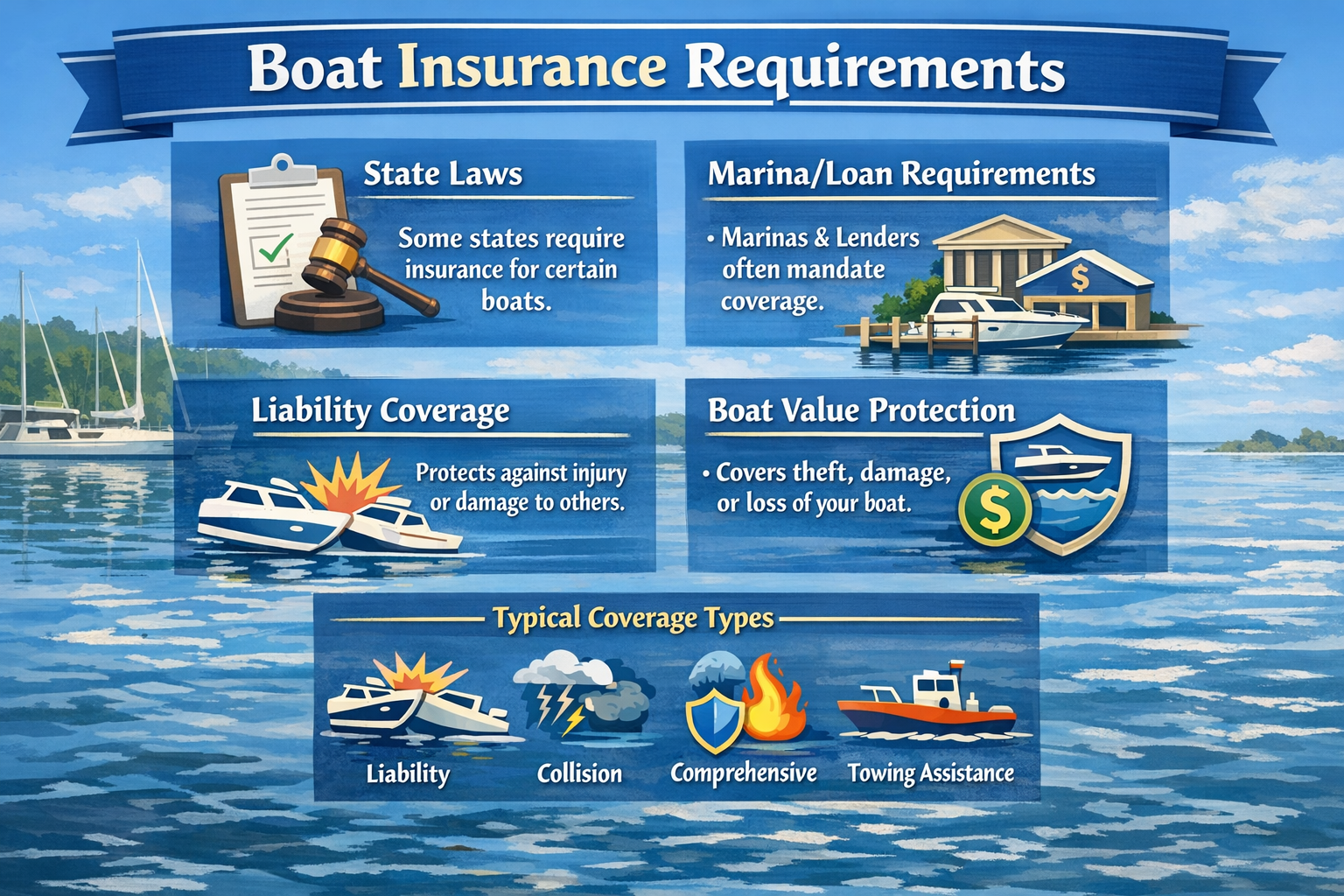
Boat insurance is required in Florida by law. Boating in Florida is a favorite pastime for residents and visitors alike. With thousands of miles of coastline and countless lakes, it is easy to understand why so many people take to the water. However, owning and operating a boat in the Sunshine State also means understanding what kind of insurance you may need. Knowing the legal requirements and available options can help keep your boat, your finances, and your loved ones protected. In this article, you will learn about the types of policies available and find out how to choose coverage that fits your needs.
Understanding Florida's Boat Insurance Requirements
By law, Florida does not require boat owners to carry boat insurance. While this may surprise many new boaters, the state focuses more on boat registration rather than mandatory insurance. However, even though the law does not require insurance for most private vessels, there are situations where you may still need coverage.
For example, if you finance your boat purchase through a bank or other lender, you will likely need insurance as a condition of your loan. Lenders want to protect their investment, so they typically require comprehensive and collision coverage. In addition, if you plan to keep your boat in a marina, the marina may also require liability insurance before allowing you to dock or store your vessel on their property.
In addition to lender and marina requirements, liability insurance is a wise choice for any boat owner. Boating accidents can happen quickly and cause expensive damage or injuries. With the right insurance, you can avoid paying out-of-pocket for damages or legal costs after an accident. Understanding these requirements helps you stay compliant and better protected on Florida's waters.
Types of Boat Insurance Required In Florida
There are several types of boat insurance policies that Florida boaters can choose from. The most common is liability coverage, which protects you if you cause injury or property damage while operating your boat. Liability coverage often includes legal defense costs, so you are not left unprotected if someone sues after an accident.
Comprehensive and collision coverage are also popular options for Florida boat owners. Comprehensive insurance covers damage to your boat from non-collision events such as theft, fire, or storms. Collision coverage pays for repairs if your boat gets damaged in an accident with another vessel or object.
Additional types of boat insurance include uninsured/underinsured boater coverage and personal effects coverage. Uninsured boater coverage helps if you are involved in an accident with another boat operator who does not carry insurance. In contrast, the personal effects coverage protects valuables and equipment on your boat. Because Florida's boating environment presents unique challenges, some insurers offer specialized policies that include hurricane protection or towing assistance. Reviewing all available options allows you to create a policy tailored to your specific boating needs.
How to Choose the Right Boat Insurance for You
Boat Insurance Required in Florida can feel overwhelming, especially with so many choices on the market. It is important to start by assessing how and where you use your boat most often. For instance, if you frequently travel in coastal waters or participate in fishing tournaments, you may need broader coverage than someone who sticks to small inland lakes.
Next, you should consider the value of your boat and any onboard equipment. Boats can represent a significant investment, and replacing or repairing them can be costly. Make sure your policy covers not only the hull but also motors, electronics, and accessories. In addition, reviewing the policy's deductible and coverage limits ensures you will not face unwelcome surprises when filing a claim.
Finally, you should compare quotes from several insurers who offer policies in Florida. Look at customer reviews and ask plenty of questions before signing up. Some insurers offer discounts for taking boater safety courses or installing safety equipment on board. By evaluating your needs and doing some research, you can find a policy that brings peace of mind every time you head out on the water.
Conclusion: Boat Insurance Required In Florida
Florida offers breathtaking waterways and endless boating opportunities, but enjoying them responsibly means understanding your insurance options. No state law requires boat insurance for every vessel, yet many situations make it essential. Whether your lender, marina, or peace of mind drives your decision, the right coverage can save you from costly setbacks. Liability, comprehensive, and collision policies each offer unique benefits to protect your boat and finances. Additional options, such as uninsured boater and personal effects coverage, provide an extra layer of security. Comparing policies online at https://floridainsurancequotes.net/boat-insurance-quote/ and considering your individual boating habits are key steps in finding the best fit. Remember to check on available discounts and ask insurers about any special requirements for Florida boaters.
Owning a boat means endless days on the water and plenty of adventures. However, while boating brings fun and relaxation, it also comes with some risks. Therefore, if you want to make the most of your boating experience, you need to protect your investment with a reliable insurance policy. Many boat owners overlook the importance of proper coverage until it is too late, but common sense boat insurance can save you from financial headaches. By choosing the appropriate protection, you can focus on enjoying your watercraft instead of worrying about unexpected accidents or losses. Ultimately, a little bit of planning now ensures smooth sailing in the future.
Why Every Watercraft Owner Needs Boat Insurance
Every watercraft owner faces unpredictable situations while out on the water. Weather conditions can change quickly, and even experienced boaters might find themselves caught in a sudden storm. Because of these risks, boat insurance is not just a luxury—it is a necessity for anyone who values their watercraft. With the proper insurance, you can recover financially from damage, theft, or liability claims with much less stress.
In addition, marinas and lenders frequently require proof of insurance before allowing a boat to dock or before approving a loan. Without coverage, you could be left paying for repairs or legal costs out of your own pocket after an incident. Moreover, the costs associated with repairing or replacing a boat can be substantial, making out-of-pocket expenses difficult to manage. Insurance provides a cushion that helps keep you afloat financially when disaster strikes.
On top of that, accidents can sometimes involve other people, whether they are guests on your boat or swimmers in the water. Liability coverage becomes especially important for these situations. Since personal injuries or property damage can result in lawsuits, having boat insurance protects not only your boat but also your financial future. Factoring in these realities, it is clear that boat insurance is a wise and practical choice for every watercraft owner.
Understanding the Basics of Common Sense Coverage
Boat insurance comes with many options, but a common-sense approach ensures you get the essentials covered without overpaying for unnecessary extras. Start by looking for a policy that covers both physical damage and liability. For instance, physical damage protection reimburses you for repairs or replacement if your boat is damaged in an accident or by natural disasters. Liability coverage, on the other hand, shields you from legal costs and damages if you accidentally harm someone or their property while boating.
Another fundamental component of common sense coverage is protection against theft and vandalism. Watercraft are valuable and can sometimes attract unwanted attention at docks or in storage areas. By including theft and vandalism coverage, you give yourself peace of mind that you will not lose your investment to criminals. Furthermore, some policies will even cover your boat's contents, such as fishing gear or personal belongings, in case they are stolen or damaged.
Additionally, uninsured boater protection is worth considering. If your boat is struck by someone who has no insurance, you could be left with expensive repairs or medical bills. However, with the right policy, your insurance company steps in to pay those costs. Understanding these basics will help you build a strong foundation for your boat insurance plan and avoid gaps that could put you at risk.
Key Features to Look for in Your Boat Insurance Policy
Comprehensive coverage is one of the most important features to seek out in a boat insurance policy. It ensures your watercraft is protected from a wide range of risks, including sinking, fire, theft, and collision. With comprehensive coverage, you can feel confident knowing that both minor and major mishaps are taken care of. Comparing policies side by side helps you find the one that offers the best protection for your needs.
Equally important is the liability limit on your policy. Higher liability limits mean more protection in the event of a lawsuit or injury. Since accidents can result in costly claims, it makes sense to select a policy with a liability limit that matches your financial situation. In many cases, insurance companies offer different tiers, so you can choose the one that best fits your level of risk tolerance.
Another essential feature involves emergency assistance and towing coverage. Boats sometimes break down far from shore, and getting help can be expensive. With emergency assistance included in your policy, you do not have to worry about the cost of towing or emergency repairs. Additionally, some policies offer fuel delivery or on-water support, making your boating experience safer and more enjoyable.
How to Choose the Right Plan for Your Watercraft
Selecting the right boat insurance plan requires a careful look at your watercraft's value and how you use it. For starters, think about whether you use your boat for fishing, cruising, or water sports. Each activity comes with different risks, and your insurance should reflect those unique needs. Since different boats also have different operating environments, make sure your plan covers your usual waterways and destinations.
Next, compare the types of coverage offered by different providers. Some insurers specialize in certain types of boats or provide discounts for safety courses and responsible operation. Taking the time to shop around and gather quotes can help you find a policy that gives you the most value for your money. Besides price, pay attention to things like deductibles, claims support, and customer reviews.
Finally, ask questions about the fine print before you sign. For example, clarify any exclusions or limitations that could affect your coverage. Sometimes insurance plans have restrictions on who can operate the boat or where you can take it. By understanding all the details up front, you avoid surprises if you ever need to file a claim. Thoughtful research and comparison ensure you choose a plan that truly fits your needs.
Steps to File a Claim and Protect Your Investment
If you ever need to file a claim, acting quickly and following the proper steps is essential. Start by contacting your insurance provider as soon as possible after an incident occurs. Give them all the necessary details, such as the time, location, and circumstances of the loss or accident. Since thorough documentation is key, take photos and gather any witness information that might support your claim.
After you report the incident, your insurance company will likely request additional information or paperwork. For example, you might need to provide repair estimates, police reports, or proof of ownership. Staying organized and responding quickly to requests can speed up the claims process and help you get back on the water sooner. Many insurers now offer online portals and mobile apps to make submitting documents easier.
Throughout the process, keep records of all communication with your insurer. Save emails, notes from phone calls, and copies of any forms you submit. This documentation can be helpful if you have questions later or if any disputes arise. By following these steps and cooperating with your insurance provider, you ensure your claim gets processed smoothly and your investment receives the protection it deserves.
Maximizing Peace of Mind with Smart Boat Insurance Choices
Smart boat insurance decisions ultimately provide more than just financial protection—they bring peace of mind every time you set sail. Knowing you have the right policy means you can relax and enjoy your time on the water, free from the worry of unexpected expenses. Carefully choosing coverage tailored to your needs helps you avoid overpaying while ensuring you are not left vulnerable in a crisis. With a solid plan in place, you can focus on making memories and exploring new horizons.
Additionally, periodically reviewing your policy keeps your coverage up to date as your boating habits or watercraft change. For example, if you upgrade your boat or add new equipment, inform your insurer to keep your protection current. Staying proactive about your insurance needs allows you to adjust your policy as your situation evolves. Regular check-ins with your agent also provide an opportunity to ask questions and explore new discounts.
In conclusion, boat insurance is all about making intelligent, common-sense choices that protect your investment and your future. Comparing coverage options, reading the fine print, and understanding your risks each play a vital role in finding the best policy. Filing claims promptly and keeping records ensures you are ready for anything. By prioritizing both value and comprehensive protection, you create a safety net that supports your love of boating. Every watercraft owner deserves the confidence that comes with knowing they are prepared for whatever the journey brings. By taking these steps, you gain more than just insurance—you gain the freedom to enjoy the water with confidence, security, and lasting peace of mind.
In Summary
Protecting your watercraft with common-sense boat insurance is one of the most intelligent decisions you can make as a boat owner. Insurance shields you from the financial shock of accidents, theft, storms, or liability claims that can arise unexpectedly. As you navigate the process of selecting a policy, remember to focus on the key features that matter most for your needs. Taking time to compare coverage, ask questions, and read the fine print empowers you to make informed choices. Additionally, understanding how to file a claim and keeping your documentation organized makes the process easier and less stressful if you ever need to use your insurance. Regularly reviewing your policy ensures that your protection stays current as your boating lifestyle and equipment change. With thorough preparation, you can enjoy the many pleasures of watercraft ownership worry-free. The peace of mind that comes from adequate insurance allows you to focus on fun, friendship, and adventure every time you set sail. Let your insurance policy be your anchor so that you can explore the water with confidence. When you prioritize protection, you give yourself the freedom to enjoy all that boating truly has to offer.
Owning a boat means endless days on the water and plenty of adventures. However, while boating brings fun and relaxation, it also comes with some risks. Therefore, if you want to make the most of your boating experience, you need to protect your investment with a reliable insurance policy. Many boat owners overlook the importance of proper coverage until it is too late, but common sense boat insurance can save you from financial headaches. By choosing the appropriate protection, you can focus on enjoying your watercraft instead of worrying about unexpected accidents or losses. Ultimately, a little bit of planning now ensures smooth sailing in the future.
Why Every Watercraft Owner Needs Boat Insurance
Every watercraft owner faces unpredictable situations while out on the water. Weather conditions can change quickly, and even experienced boaters might find themselves caught in a sudden storm. Because of these risks, boat insurance is not just a luxury—it is a necessity for anyone who values their watercraft. With the proper insurance, you can recover financially from damage, theft, or liability claims with much less stress.
In addition, marinas and lenders frequently require proof of insurance before allowing a boat to dock or before approving a loan. Without coverage, you could be left paying for repairs or legal costs out of your own pocket after an incident. Moreover, the costs associated with repairing or replacing a boat can be substantial, making out-of-pocket expenses difficult to manage. Insurance provides a cushion that helps keep you afloat financially when disaster strikes.
On top of that, accidents can sometimes involve other people, whether they are guests on your boat or swimmers in the water. Liability coverage becomes especially important for these situations. Since personal injuries or property damage can result in lawsuits, having boat insurance protects not only your boat but also your financial future. Factoring in these realities, it is clear that boat insurance is a wise and practical choice for every watercraft owner.
Understanding the Basics of Common Sense Coverage
Boat insurance comes with many options, but a common-sense approach ensures you get the essentials covered without overpaying for unnecessary extras. Start by looking for a policy that covers both physical damage and liability. For instance, physical damage protection reimburses you for repairs or replacement if your boat is damaged in an accident or by natural disasters. Liability coverage, on the other hand, shields you from legal costs and damages if you accidentally harm someone or their property while boating.
Another fundamental component of common sense coverage is protection against theft and vandalism. Watercraft are valuable and can sometimes attract unwanted attention at docks or in storage areas. By including theft and vandalism coverage, you give yourself peace of mind that you will not lose your investment to criminals. Furthermore, some policies will even cover your boat's contents, such as fishing gear or personal belongings, in case they are stolen or damaged.
Additionally, uninsured boater protection is worth considering. If your boat is struck by someone who has no insurance, you could be left with expensive repairs or medical bills. However, with the right policy, your insurance company steps in to pay those costs. Understanding these basics will help you build a strong foundation for your boat insurance plan and avoid gaps that could put you at risk.
Key Features to Look for in Your Boat Insurance Policy
Comprehensive coverage is one of the most important features to seek out in a boat insurance policy. It ensures your watercraft is protected from a wide range of risks, including sinking, fire, theft, and collision. With comprehensive coverage, you can feel confident knowing that both minor and major mishaps are taken care of. Comparing policies side by side helps you find the one that offers the best protection for your needs.
Equally important is the liability limit on your policy. Higher liability limits mean more protection in the event of a lawsuit or injury. Since accidents can result in costly claims, it makes sense to select a policy with a liability limit that matches your financial situation. In many cases, insurance companies offer different tiers, so you can choose the one that best fits your level of risk tolerance.
Another essential feature involves emergency assistance and towing coverage. Boats sometimes break down far from shore, and getting help can be expensive. With emergency assistance included in your policy, you do not have to worry about the cost of towing or emergency repairs. Additionally, some policies offer fuel delivery or on-water support, making your boating experience safer and more enjoyable.
How to Choose the Right Plan for Your Watercraft
Selecting the right boat insurance plan requires a careful look at your watercraft's value and how you use it. For starters, think about whether you use your boat for fishing, cruising, or water sports. Each activity comes with different risks, and your insurance should reflect those unique needs. Since different boats also have different operating environments, make sure your plan covers your usual waterways and destinations.
Next, compare the types of coverage offered by different providers. Some insurers specialize in certain types of boats or provide discounts for safety courses and responsible operation. Taking the time to shop around and gather quotes can help you find a policy that gives you the most value for your money. Besides price, pay attention to things like deductibles, claims support, and customer reviews.
Finally, ask questions about the fine print before you sign. For example, clarify any exclusions or limitations that could affect your coverage. Sometimes insurance plans have restrictions on who can operate the boat or where you can take it. By understanding all the details up front, you avoid surprises if you ever need to file a claim. Thoughtful research and comparison ensure you choose a plan that truly fits your needs.
Steps to File a Claim and Protect Your Investment
If you ever need to file a claim, acting quickly and following the proper steps is essential. Start by contacting your insurance provider as soon as possible after an incident occurs. Give them all the necessary details, such as the time, location, and circumstances of the loss or accident. Since thorough documentation is key, take photos and gather any witness information that might support your claim.
After you report the incident, your insurance company will likely request additional information or paperwork. For example, you might need to provide repair estimates, police reports, or proof of ownership. Staying organized and responding quickly to requests can speed up the claims process and help you get back on the water sooner. Many insurers now offer online portals and mobile apps to make submitting documents easier.
Throughout the process, keep records of all communication with your insurer. Save emails, notes from phone calls, and copies of any forms you submit. This documentation can be helpful if you have questions later or if any disputes arise. By following these steps and cooperating with your insurance provider, you ensure your claim gets processed smoothly and your investment receives the protection it deserves.
Maximizing Peace of Mind with Smart Boat Insurance Choices
Smart boat insurance decisions ultimately provide more than just financial protection—they bring peace of mind every time you set sail. Knowing you have the right policy means you can relax and enjoy your time on the water, free from the worry of unexpected expenses. Carefully choosing coverage tailored to your needs helps you avoid overpaying while ensuring you are not left vulnerable in a crisis. With a solid plan in place, you can focus on making memories and exploring new horizons.
Additionally, periodically reviewing your policy keeps your coverage up to date as your boating habits or watercraft change. For example, if you upgrade your boat or add new equipment, inform your insurer to keep your protection current. Staying proactive about your insurance needs allows you to adjust your policy as your situation evolves. Regular check-ins with your agent also provide an opportunity to ask questions and explore new discounts.
In conclusion, boat insurance is all about making intelligent, common-sense choices that protect your investment and your future. Comparing coverage options, reading the fine print, and understanding your risks each play a vital role in finding the best policy. Filing claims promptly and keeping records ensures you are ready for anything. By prioritizing both value and comprehensive protection, you create a safety net that supports your love of boating. Every watercraft owner deserves the confidence that comes with knowing they are prepared for whatever the journey brings. By taking these steps, you gain more than just insurance—you gain the freedom to enjoy the water with confidence, security, and lasting peace of mind.
In Summary
Protecting your watercraft with common-sense boat insurance is one of the most intelligent decisions you can make as a boat owner. Insurance shields you from the financial shock of accidents, theft, storms, or liability claims that can arise unexpectedly. As you navigate the process of selecting a policy, remember to focus on the key features that matter most for your needs. Taking time to compare coverage, ask questions, and read the fine print empowers you to make informed choices. Additionally, understanding how to file a claim and keeping your documentation organized makes the process easier and less stressful if you ever need to use your insurance. Regularly reviewing your policy ensures that your protection stays current as your boating lifestyle and equipment change. With thorough preparation, you can enjoy the many pleasures of watercraft ownership worry-free. The peace of mind that comes from adequate insurance allows you to focus on fun, friendship, and adventure every time you set sail. Let your insurance policy be your anchor so that you can explore the water with confidence. When you prioritize protection, you give yourself the freedom to enjoy all that boating truly has to offer.